What Being a Florist Taught Me About Building Empathy for Users
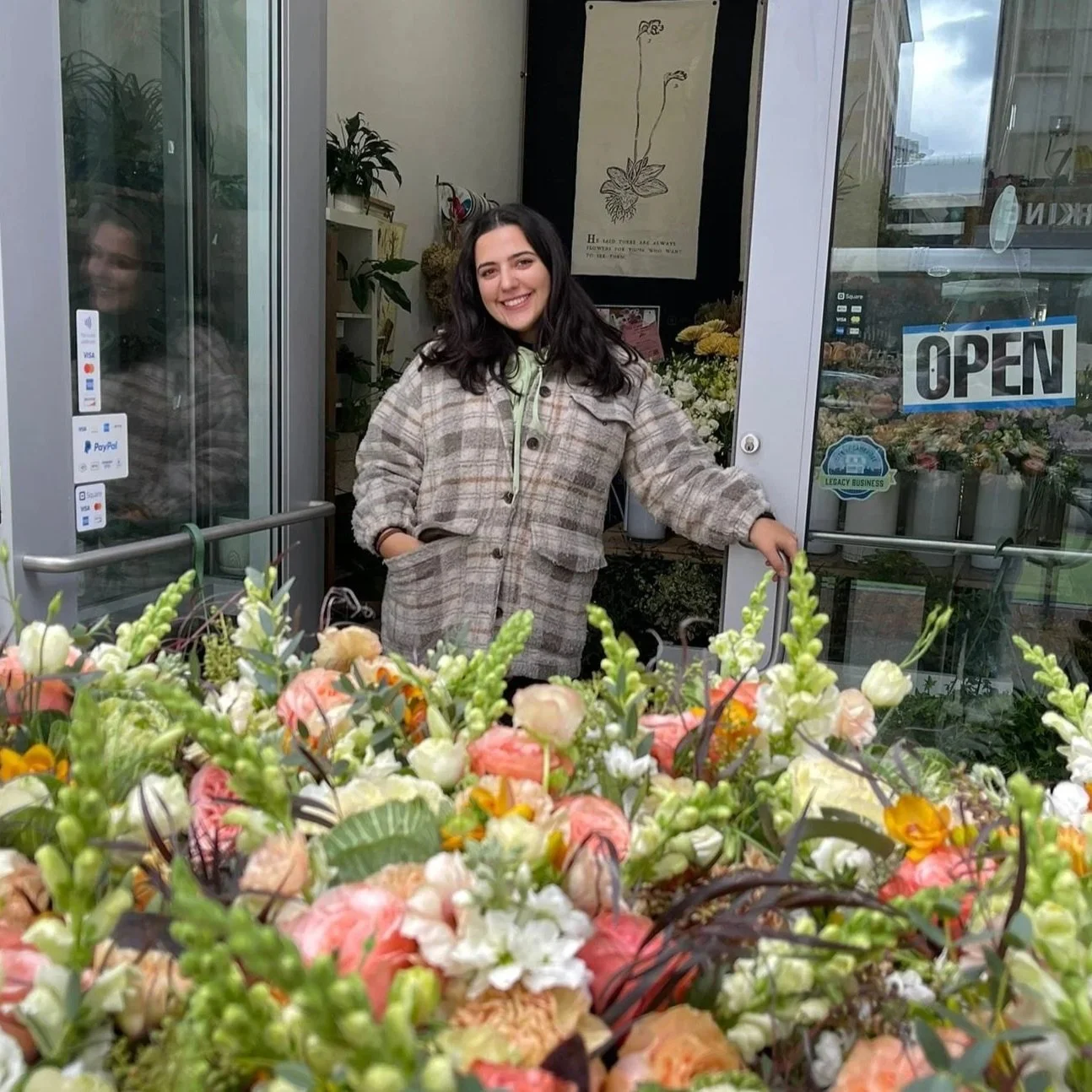
When I started working part-time as a florist during undergrad, I never expected it to shape how I think about customers, products, or empathy. At the time, I was studying computer science and imagining a future as a software engineer. Floral design felt like a creative side job, something separate from the technical path I was on. Looking back, it became one of the most formative experiences I’ve had for understanding what it actually means to build for people.
On the surface, floristry and software engineering have very little in common. One is tactile and creative, the other analytical and technical. But working behind the counter of a flower shop exposed me to something my coursework could not. It put me face to face with people at emotionally significant moments in their lives, often when the stakes were high and the margin for error was small.
People walk into a flower shop at emotional extremes. They are either experiencing some of the highest moments of their lives or walking through some of the lowest of lows. One moment you’re helping someone celebrate a graduation, an anniversary, or a long-awaited wedding. The next, you’re quietly discussing arrangements for a hospital room or a funeral service. Often, these moments sit right next to each other on the calendar, sometimes even in the same afternoon.
What makes this work especially challenging is that you rarely know which moment a customer is in when they first walk through the door. Some arrive visibly excited, talking quickly and full of ideas. Others are subdued, hesitant, unsure of what to ask for or how much to say. Many never explain the context at all. You learn to listen closely, to notice pauses, tone, and body language, and to adjust how you speak and move in response. The same question can feel supportive in one situation and overwhelming in another.
As I took on more responsibility, the work extended far beyond arranging flowers. I coordinated wedding details where timing, color, and presentation carried emotional weight for couples and their families. I also worked with families planning funerals, where clarity, patience, and calm mattered far more than aesthetics. In both cases, people were placing trust in us during moments they would remember for the rest of their lives. Getting things right was not optional. It was expected.
There was another layer to this work that I did not anticipate. The flower shop was located in Kendall Square, surrounded by some of the most recognizable technology companies in the world. As a high school student, I once imagined myself working at many of these companies as a software engineer. Years later, I found myself coordinating their holiday parties and launch events, providing plant consultations, and moving quickly through the same offices in a completely different role.
What mattered most in those moments was not efficiency or technical skill. It was human connection. Customers needed to feel heard, understood, and taken seriously. They needed reassurance that someone was paying attention to the details so they could focus on what mattered to them. Trust was built through small, consistent actions. Asking thoughtful follow-up questions. Remembering preferences. Being honest about constraints. Showing care even when the shop was busy or the request was difficult.
Over time, I noticed something important about our best customer reviews. They rarely focused on the flowers themselves. Instead, they reflected how people felt during the experience. Customers wrote about feeling supported during stressful planning, comforted during difficult moments, or confident that everything would be handled properly. The product mattered, but the experience mattered more.
That lesson has stayed with me as I’ve moved into technology, product, and marketing work. Users do not interact with products in a vacuum. They bring context, emotion, urgency, and expectation with them. Just like in a flower shop, you often do not know what someone is dealing with when they open an app, land on a page, or try a new feature. Designing without empathy means ignoring that reality.
Working as a florist taught me that empathy is not about emotional language or grand gestures. It is about responsibility. It is about recognizing that someone is trusting you with something important, even if they never say it explicitly. Whether I am thinking about onboarding flows, messaging, or product decisions, I often return to that same lesson. The most meaningful work happens when you respect the moment someone is in and design with that awareness in mind.